
Goofygen is an Indian chess content creator who became one of the fastest-growing chess influencers on Instagram, reaching 1 million followers within just a few months. Everyone knows him as Goofygen, but his real name is Sudhershun Asokan. What makes his rise unique is that he did not come from a professional chess background. Instead, he turned casual chess, humor, and memes into a highly engaging content format that appealed even to people who had never played chess before.
Early Days: Chess Started as Fun, Not Competition
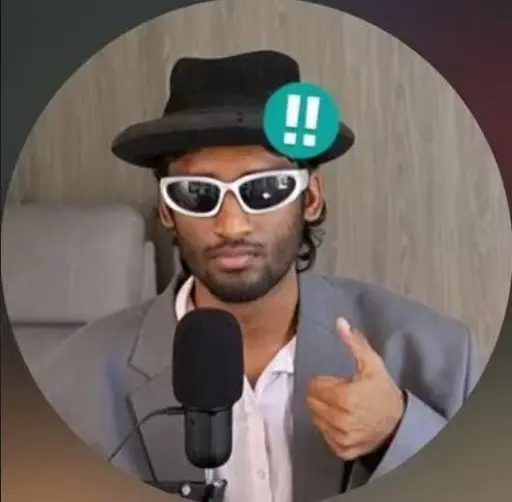
In one of his videos, Goofygen clearly mentions that he started playing chess purely for fun with friends. There was no structured coaching, no tournament ambition, and no intention to become a professional player. Chess was simply a social activity. This phase shaped his content style, humorous explanations, relatable mistakes, and an easygoing tone that made chess approachable for everyone.
However, as his interest and consistency grew, he did not remain only a casual player. Over time, he started taking the game more seriously, actively playing on online platforms like Chess.com and participating in chess tournaments. This shift helped him improve his understanding of the game, face stronger opponents, and bring more depth into his content
His Chess Background and Skill Level
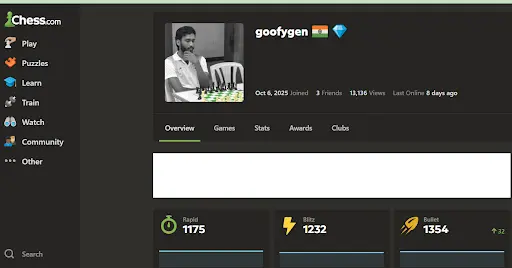
Goofygen maintains an active profile on Chess.com, where his gameplay reflects that of a regular club-level player, not a titled professional.
From his public Chess.com profile:
-
- Rapid rating: 1175
- Rapid rating: 1175
-
- Blitz rating: 1232
- Blitz rating: 1232
-
- Bullet rating: 1354
- Bullet rating: 1354
-
- Joined: October 6, 2025
- Joined: October 6, 2025
These ratings show that his popularity is not driven by elite chess strength, but by how he presents the game.
How His Content Strategy Evolved
1. Posting Raw, Unfiltered Chess Matches
Initially, Goofygen posted random online chess matches he played on Chess.com. These videos were simple screen recordings, but what stood out was how he explained each move in a humorous tone, often exaggerating mistakes and reactions.
This made chess feel entertaining rather than serious.
2. Explaining Moves in a Funny Way
Instead of using technical terms, he explained chess moves using:
-
- Everyday language
-
- Emotional reactions
-
- Self-mockery
-
- Situational humor
Even people who didn’t understand chess could enjoy the video just for the comedy.
3. Chess Memes Using Famous Templates
A major turning point was when he started posting chess memes using popular meme templates. This bridged the gap between chess and mainstream pop culture.
People who had zero interest in chess began watching simply because:
-
- The memes were familiar
-
- The humor was universal
-
- Chess became secondary to entertainment
This is where his reach expanded beyond the chess community.
4. Mixing Education With Entertainment
Between humor videos, Goofygen occasionally posted:
-
- Famous chess players’ moves
-
- Short explanations of iconic positions
-
- Simple chess tips for beginners
This balance ensured that:
-
- Serious chess fans stayed
-
- Casual viewers didn’t feel bored
But interestingly, his humor-heavy videos consistently received the highest engagement, which shaped his future content direction.
Community-Driven Growth
Meme Culture Around His Personality
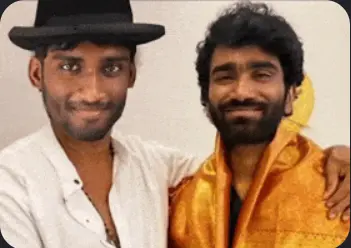
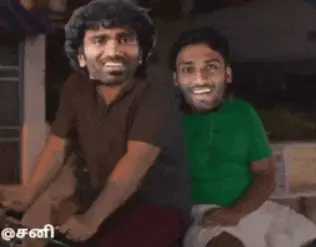
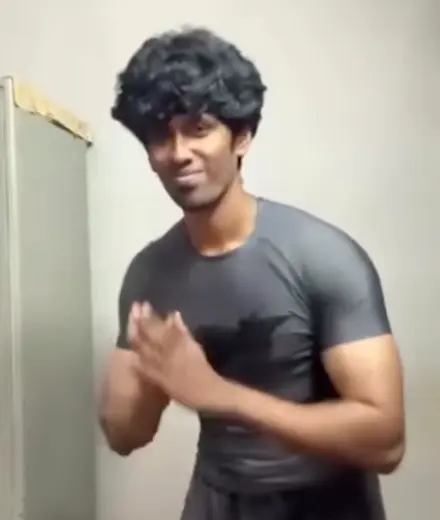
As his popularity grew, followers began creating memes around his appearance and expressions. Many compared him to Pradeep Ranganathan, which further boosted his visibility in Tamil pop culture spaces.
At this point, the audience was no longer just watching content; they were participating in it.
Playing Followers and Turning Matches Into Content
Followers started requesting matches with him. Goofygen accepted these challenges and turned them into reels, often highlighting:
-
- Funny blunders
-
- Overconfidence
-
- Dramatic reactions
The match was just the setup; the storytelling and humor were the real product. Recently he played a chess match with Viswanathan Anand, one of the greatest chess players in history. This moment carried symbolic weight, a creator who started chess casually for fun sharing the board with a world-renowned grandmaster.
The video gained massive traction across social media, introducing Goofygen to an even wider audience beyond Instagram
The Viral Dance Challenge Format
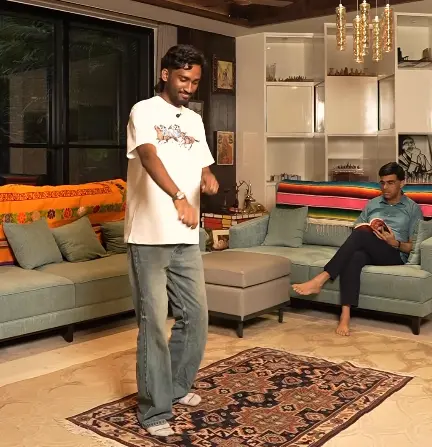
One of his most viral ideas was introducing a simple rule:
Whoever loses the chess match must dance and post it as a reel.
This format exploded because:
-
- It added real-world consequences
-
- It encouraged participation
-
- It attracted people who didn’t care about chess at all
This single idea brought in non-chess audiences, creators, and even well-known YouTubers.
Why Goofygen Reached 1 Million Followers So Fast
His rapid growth can be explained by a few clear factors:
-
- Low entry barrier
You don’t need chess knowledge to enjoy his videos.
- Low entry barrier
-
- High shareability
Memes and humor are easy to share, especially on Instagram.
- High shareability
-
- Community involvement
Followers are part of the content, not just viewers.
- Community involvement
-
- Consistent format
Viewers know what to expect, but still get variety.
- Consistent format
-
- Entertainment first, chess second
This reversed approach helped him break out of the niche.
- Entertainment first, chess second
Final Thoughts
Goofygen is not famous because he is the best chess player. He is famous because he understood the internet better than most chess creators.
By blending:
-
- Casual chess
-
- Humor
-
- Meme culture
-
- Community challenges
He transformed a traditionally serious game into mass entertainment. His journey proves that in today’s creator economy, how you present a skill often matters more than how advanced the skill itself is.