
Chess That Trains How They Think.
A structured, small-group program for children aged 7–12 ready to be genuinely challenged. Most chess classes teach moves — this one teaches thinking.
Be honest. Does any of
this sound familiar?
Between 7 and 14, children develop the thinking habits they’ll carry for life — how they handle a hard problem, whether they plan ahead or react, whether they recover from setbacks.
Chess, taught properly, trains all of it. Not because chess is magical. But because every move demands your child observe, evaluate, decide, and live with the consequence. Done consistently, that process becomes a habit.
This isn’t about raising a chess champion. It’s about raising a child who knows how to think.
-
🧠Smart but scattered They have the ability — but struggle to focus it into sustained, directed effort.
-
😤Gives up when it gets hard The moment something stops being easy, they disengage. Frustration wins before effort does.
-
⚡Reacts before thinking Impulsive in arguments, schoolwork, and games. Acts first, considers consequences later.
-
📉Tried chess — didn’t stick They’ve played before, but no one taught them to think through it. They memorised moves, not logic.
-
🎯You want real progress, not vague development You’re done with programs that can’t tell you what your child actually learned.
Chess skills that transfer
to real life.
Chess With Rathish uses a structured methodology rooted in the Harvard Thinking Routine — a research-backed framework that teaches children to slow down, observe carefully, and reason through problems before acting.
It’s not a buzzword. It’s the reason our students don’t just play better chess. They think better. Their teachers notice. Their parents notice. They notice.
Every skill learned on the board has a direct parallel off it. Here’s what that looks like in practice.
Serious coaching.
Not a hobby class.
Designed for children ready to be challenged — and parents who want more than vague “development.”
Students per batch
In most online classes, your child is one of 20–30. Here, the coach knows every student by name, tracks individual progress, and adjusts coaching to that specific child.
Minutes per session
Structured with intention: opening concept, tactical practice, game application, coach review. Long enough to go deep, focused enough to hold complete attention.
Live sessions per week
Enough to build momentum and consistency. Plus weekly Lichess assignments that reinforce what’s covered — learning doesn’t stop when the session ends.
Every session recorded
Miss a class? Review any session. You always know exactly what’s being taught and how your child is progressing. Full transparency, always.
FIDE-rated trainers
Your child isn’t learning from an enthusiast. Rated, experienced coaches trained under Rathish’s methodology — so quality doesn’t vary session to session.
Lifetime tournaments
Graduates gain lifelong access to weekend tournaments and live masterclasses. For children who want to keep growing, the door stays permanently open.
Not happy after Month 1? Full refund.
If the program isn’t delivering real, visible value after the first month — for any reason — we return every rupee. No process, no conditions.
24 sessions. 4 phases.
A clear journey with a real outcome.
Every session exists for a reason. Here’s exactly what your child works through — and why it’s sequenced this way.
Foundation
Before tactics, before strategy — your child learns to read the board. Every strong player starts here, no matter their age.
Tactics
Pattern recognition. Threats. The moment a child spots what their opponent missed — this is when chess becomes exciting.
Strategy
From reacting to deciding. Your child stops responding to threats and starts controlling the game. This is where chess becomes thinking.
Strong
Endgames. Tournament simulation. Learning from losses. The hardest skill in chess — and the most valuable one in life.
New batch starts April 7th. Only 3 spots remaining in the 7–12 programme this cycle.
The proof is what happens
outside the chess class.
“My son has always been smart but impulsive. Three months in, his class teacher actually called me — to say she’d noticed he was taking more time before answering questions. I hadn’t even told her he was doing chess.”
to say
before he acts”
“We’ve tried coding, maths tutoring, football. Nothing held his attention like this. He genuinely looks forward to every session. And he’s improving — you can see it.”
“The coach knew my daughter’s name, her weaknesses, and her progress every single week. In a group of 6 students, that level of attention was something I didn’t expect.”
Your child’s first class is free.
After that — no surprises.
Less than the cost of two private tuition sessions a month — with skills that compound for years.
Same programme, same outcomes. The difference is how much focused attention your child receives per session. Both come with the full refund guarantee.
Honest answers.
No sales talk.
See the difference yourself.
🏆 Recognition & Rewards
Progress that gets seen — and celebrated.
Effort without recognition is a missed opportunity at this age. Throughout the program, outstanding progress — in thinking, in improvement, in attitude — is acknowledged and celebrated.
Top performers receive Chess With Skills™ awards, delivered directly to their home. Because a physical recognition means something to a child that a notification never will.
Graduates also gain lifelong access to weekend tournaments and live masterclasses — so the learning doesn’t stop when the program ends. For children who want to keep growing, the door stays open.
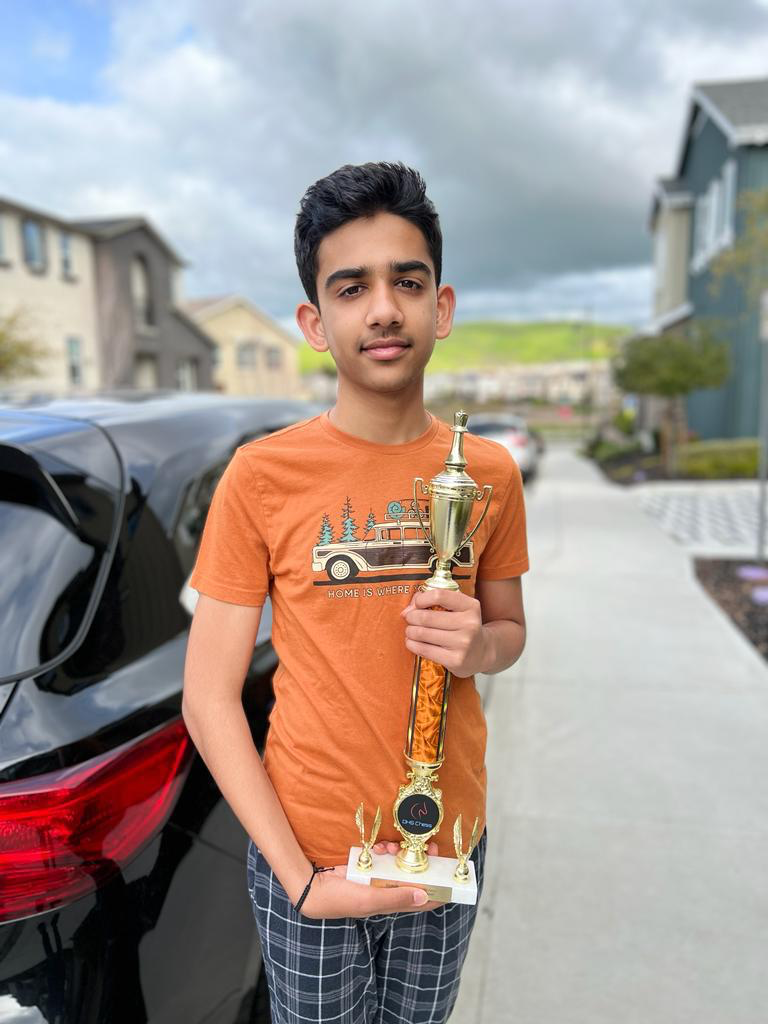


🏅 Outstanding progress in our group programs is recognised through Chess With Skills awards, delivered directly to the child’s home.
FAQ
What parents want to know before they commit
01. My child has never played chess before. Is that okay?
Completely fine. The program starts from the foundation and builds systematically. Whether your child is a complete beginner or has played casually, Phase 1 ensures everyone is building on solid ground before moving forward.
02. Is this a serious program or more of a hobby class?
It’s serious — but not stressful. The program is structured, progressive, and goal-oriented. Your child will be challenged, held accountable, and expected to think — but always in a supportive environment. This is not a drop-in activity class.
03. How is a group of 6–8 different from a regular class?
In most online classes, your child is one of 20–30. They can disappear. Here, the coach knows every student by name, tracks their individual progress, and adjusts how they’re coached based on what that specific child needs. The small size is not a selling point — it’s the whole model.
04. What if my child misses a session?
Every session is recorded and accessible. Your child can review any class they miss, and coaches are informed so they can help the child catch up at the next session without falling behind.
05. My child tried chess before and lost interest. Why would this be different?
Because most chess programs teach the game. This program teaches thinking — and children feel that difference. The sessions are structured, progressive, and coached by people who know how to keep a 9-year-old genuinely engaged. The small group also creates natural accountability — kids show up because they want to, not because they have to.
06. What is the refund policy?
If after the first full month you don’t see real value, you get a 100% refund. No complicated process. That’s not a marketing line — it’s a guarantee of quality. We’re confident enough in the program to stand behind it completely.
07. Can I observe sessions?
You’re welcome to observe — particularly in the early sessions. We do encourage children to settle into the group dynamic on their own over time, as peer interaction is part of the learning, but there are no restrictions on parental observation.
Admissions are now open

Coach Rathish offers personalized chess coaching for all levels—kids, teens, and adults. 7+ years of experience, proven student success, and a passion for the game.
Quick Links
Contact
- 110b Bungalow medu, Mettupalayam, Coimbatore District, Tamil Nadu 641301 India
- rathishravi98@gmail.com
- +91-7448408684